
Resistance Training 101

Any person who is on a diet can tell you that strength is not just physical. Especially when a fresh batch of chocolate chip cookies comes out of the oven at her local coffee shop just as she approaches the register, or her office manager orders pepperoni pizza to celebrate a coworker’s birthday. But dieters may not realize that exercising their willpower will make them stronger.

Roy Baumeister and John Tierney explore the science of self-control in their new book Willpower. They note that people who exercise their willpower frequently often have better self-control. The next time you’re about to give in to an unhealthy temptation consider the great mental and emotional workout you’ll be giving yourself just by resisting…

Cutting back on salt? Hold the bread.

Today the U.S. Centers for Disease Control and Prevention released a report that reveals common of sodium in the average American diet. While some culprits–such as chips and processed cheeses and deli meats–aren’t too surprising, others are less obvious. Raw poultry and pork are often injected with saline solution as a preservative and flavor additive.

Top Sources Ten of Sodium

Breads and rolls
Cold cuts and cured meats
Pizza
Poultry
Soups
Sandwiches
Cheese
Pasta dishes
Meat dishes
Snacks  (pretzels, chips, crackers)

To reduce sodium from your diet, cut back on your use of prepared food items. carefully read the labels of all processed foods, and buy your meat from safer sources, such as reputable butchers or health food stores. Remember, “all natural” on the packaging doesn’t mean much. While injecting meat with sodium and other flavoring solutions may seem anything but natural, that term can legally apply to just about anything found in nature, including ammonia.

Q: Will eating at night make me gain weight?

A: Perhaps. But not because something specific happens when the clock strikes 7pm, 8pm, or whatever arbitrary time you decide is “too late”.

So if bowl of cereal will have the same number of calories at 9am as it does at 9pm,  why do you hear, time and time again, that people who eat late at night tend to be heavier than those who finish eating earlier? Eating behaviors that occur later at night are the issue.

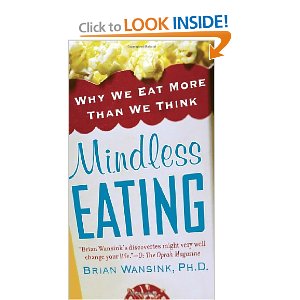
A recent study in the medical journal Obesity showed that people who ate after 8pm consumed an average of 250kcal more than people who ate earlier, but more strikingly they exhibited a number of other unhealthy habits such as preferring highly caloric processed or fast foods, eating while distracted, and sleeping less.  It was well documented in Mindless Eating that people who snacked while watching TV or a movie consume far more than they realize, and lack of sleep does affect hormones that control hunger and satiety so staying up past your bedtime can make your body crave chips or sugar when it really wants and needs sleep.

So the next time you’re hesitant to attend a dinner party because the meal will be served later than your usual meal time, remember you’re stomach won’t turn into a big, bloated pumpkin just because you’re eating when the clock strikes 9. But, if you’re consistently eating more than you should and more often than you should, you will gain weight… even if you don’t eat between 7pm and 7am.